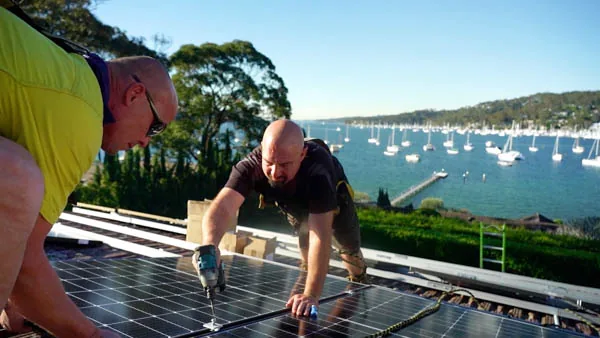
In our last post, we covered the rise of Solar Cowboys – i.e. unlicensed or low-quality installers attracted by easy profits. This trend is made possible by Australia’s lack of regulatory oversight. There simply aren’t many legal requirements to become a photovoltaic (PV) installer.
So in an unregulated market like ours, how can you be sure that your solar installer is qualified to complete the job?
Unfortunately, there is no surefire way.
However, one common distinguishing characteristic is whether the installers you meet with are recognised by third-party licensing and certification organisations. And in Australia, very few bodies carry more weight than the Clean Energy Council (CEC) – one of the most trusted accrediting agencies in the country’s solar industry.
What Makes the Clean Energy Council Unique?
The Clean Energy Council is an independent regulatory body that certifies solar installers as being professional, honest, and licensed. Membership is 100% voluntary. But joining the CEC is a powerful indicator of an installer’s commitment to:
- Responsible sales and marketing.
- Solar PV industry best practices.
Actually becoming CEC – Accredited Solar Installers involves a lengthy application process that includes:
- Proof that the installer has been in business for at least one year. This helps to weed out fly-by-night operations.
- A Self-Assessment Compliance Check. The honour system applies here, but an installer’s self-reported answers must be consistent with the next step.
- Annual financial and integrity inspections conducted by external auditors.
- Reconciliation of any consumer complaints collected by the Australian Competition and Consumer Commission (ACCC).
In addition, all PV installers must sign a binding “Code of Conduct” pledge before they can display the CEC – Approved Solar Retailer logo on their websites and marketing materials.
Also, keep in mind that CEC accreditation isn’t a one-time fix. It’s an ongoing process, complete with annual inspections. And one must consistently pass these yearly checks to remain in good standing with the Clean Energy Council.
Find some more information on what it means to be a Clean Energy Council Approved Solar Retailer here
Solarbank is a Proud Member of the Clean Energy Council
At Solarbank, we’ve worked very hard to earn (and maintain) our status as a CEC – Approved Solar Retailer. And if you’re in the market for a professionally installed PV system that will deliver many decades of measurable savings and carbon offsets, we would be thrilled to earn your business and trust.
If you decide to go with another PV installer instead, that’s okay. Just make sure that any candidates you interview are also CEC accredited solar installers as well. Doing so is the single best way to protect yourself from:
- Low-quality workmanship.
- Expensive system repairs.
- Lost savings (and high bills).
However, it is possible for a Solar Cowboy to display the CEC logo without having gone through the approval process. So just to be 100% sure, you should verify each installer’s credentials (including ours) by visiting the Clean Energy Council’s free directory of Approved Solar Retailers.