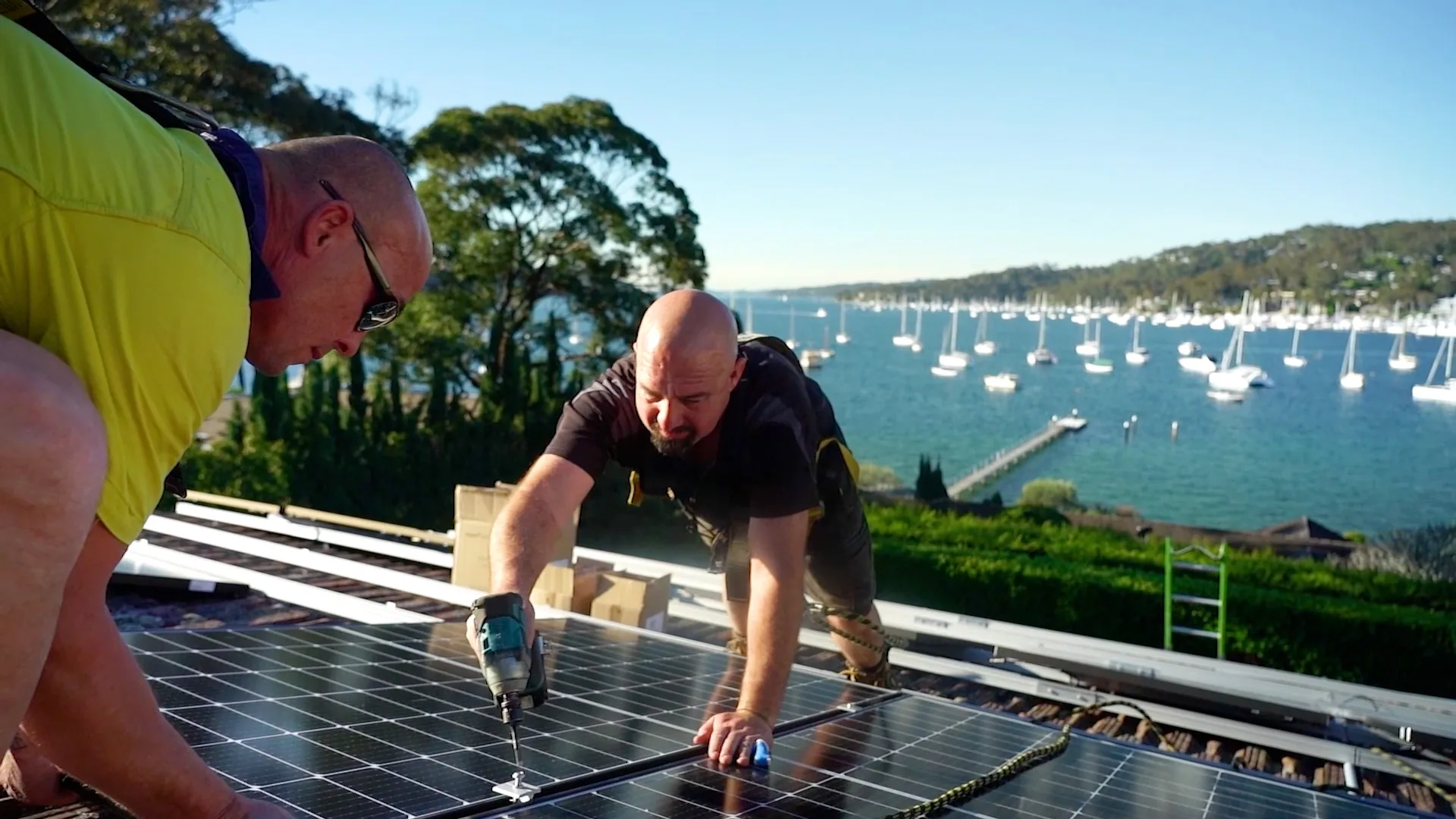
Anyone can put 'solar expert' on a van. The credentials behind that claim have been reshuffled twice since 2023, and plenty of quotes still use the old names. Here's what to look for now.
There are three separate things to check, not one: the person on your roof, the company selling to you, and the equipment going in. Each has its own scheme, and one doesn't cover the others.
Who accredits solar installers in Australia now?
Solar Accreditation Australia (SAA). The Clean Energy Regulator appointed SAA to run accreditation for solar installers and designers on 29 February 2024, taking over from the Clean Energy Council. Existing installers had until 29 May 2024 to transfer across. So if a quote still says 'CEC Accredited Installer', it's using a title that was retired more than two years ago.
SAA accreditation belongs to the individual tradesperson, not the business. It matters for two reasons:
- It's a condition of the federal rebate. Small-scale technology certificates (STCs), the discount that comes off your system price, can only be claimed when SAA-accredited people design and install the system.
- Batteries need their own accreditation. Solar and battery accreditation are separate. If your quote includes a battery, the installer needs SAA battery accreditation too, or the federal Cheaper Home Batteries rebate doesn't apply.
What is a NETCC Approved Seller?
It's the credential for the company you're buying from. The New Energy Tech Consumer Code (NETCC) replaced the Clean Energy Council's Approved Solar Retailer program on 1 February 2023. Approved Sellers sign up to consumer protection standards covering advertising, quotes, contracts, installation, warranties and complaints.
The code is voluntary nationally, but it's increasingly the price of entry:
- NSW requires it for solar and batteries bought through the Home Energy Saver program, which opened in June 2026 with interest-free loans of up to $15,000. The same program also requires SAA-accredited installers and CEC-listed panels and inverters, so every check in this post applies.
- Victoria requires it of every solar and battery retailer in its Solar Homes Program.
- The ACT requires it of battery retailers in its Sustainable Household Scheme.
- Banks check for it. CommBank's energy-efficient loan discount requires the vendor to be NETCC approved and SAA accredited, and Bank Australia's Clean Energy Home Loan requires batteries to come from an Approved Seller.
Do the panels, inverter and battery need to be approved too?
Yes. The Clean Energy Council didn't disappear. It's the Clean Energy Regulator's appointed product-listing body, and your panels, inverter and battery must be on its approved lists at the time of installation for the rebate to be claimed.
That's worth checking model by model. A quote can name a reputable brand and still specify a model that isn't listed.
What should you ask for before you sign?
Ask any installer, including us, for:
- The SAA accreditation number of the person designing and installing your system, plus their battery accreditation if a battery is included. You can check it on SAA's accreditation status check.
- The retailer's NETCC Approved Seller status. Confirm it on the NETCC Approved Seller search.
- Written confirmation that the exact panel, inverter and battery models are on the current CEC approved product lists.
Three lookups, a few minutes, and you'll know exactly who you're dealing with.

How do we handle this at Solarbank?
Solarbank is a NETCC Approved Seller, and our installers are SAA accredited. With any quote, we'll give you the accreditation numbers and confirm every panel, inverter and battery against the current CEC lists.
Getting solar right starts before the panels go up. Send us your current quote and we'll tell you, plainly, whether the credentials behind it stack up.