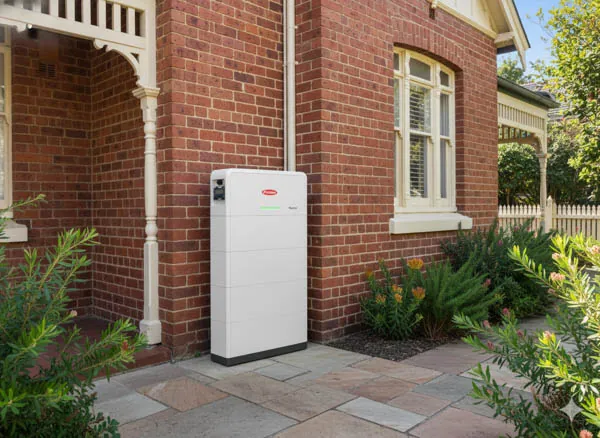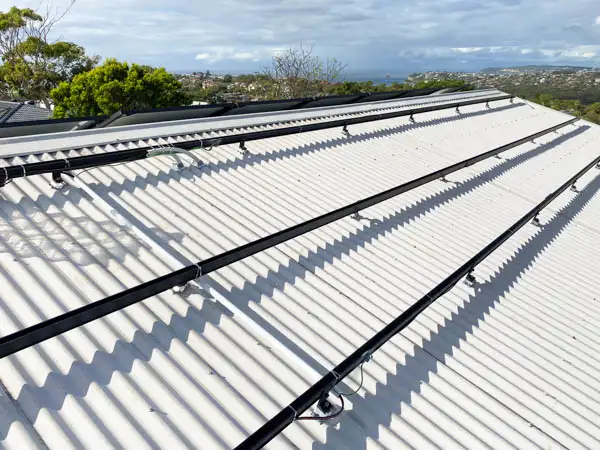
Solarbank believes that new “all-in-one” designs have moved the industry into the new era of home energy systems. In the past (and still with some brands today), we installed separate solar inverters and battery systems. We wired them together as neatly as possible, but there are limitations to how neat this could look. All-in-one systems combine solar inverters and batteries into a single unit, improving aesthetics, reducing installation time and enhancing performance.
Tesla & Sigenergy
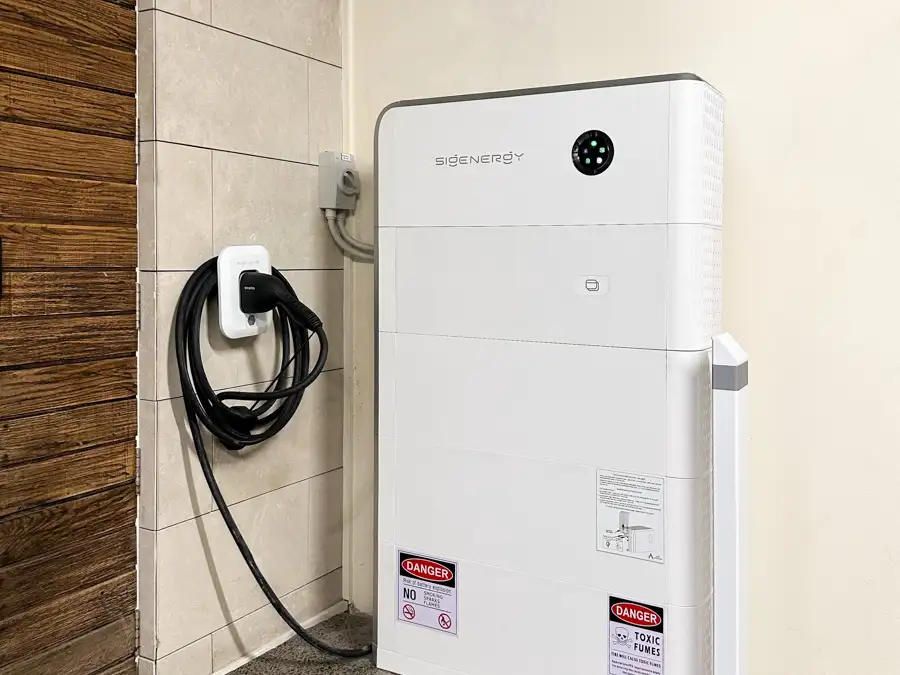
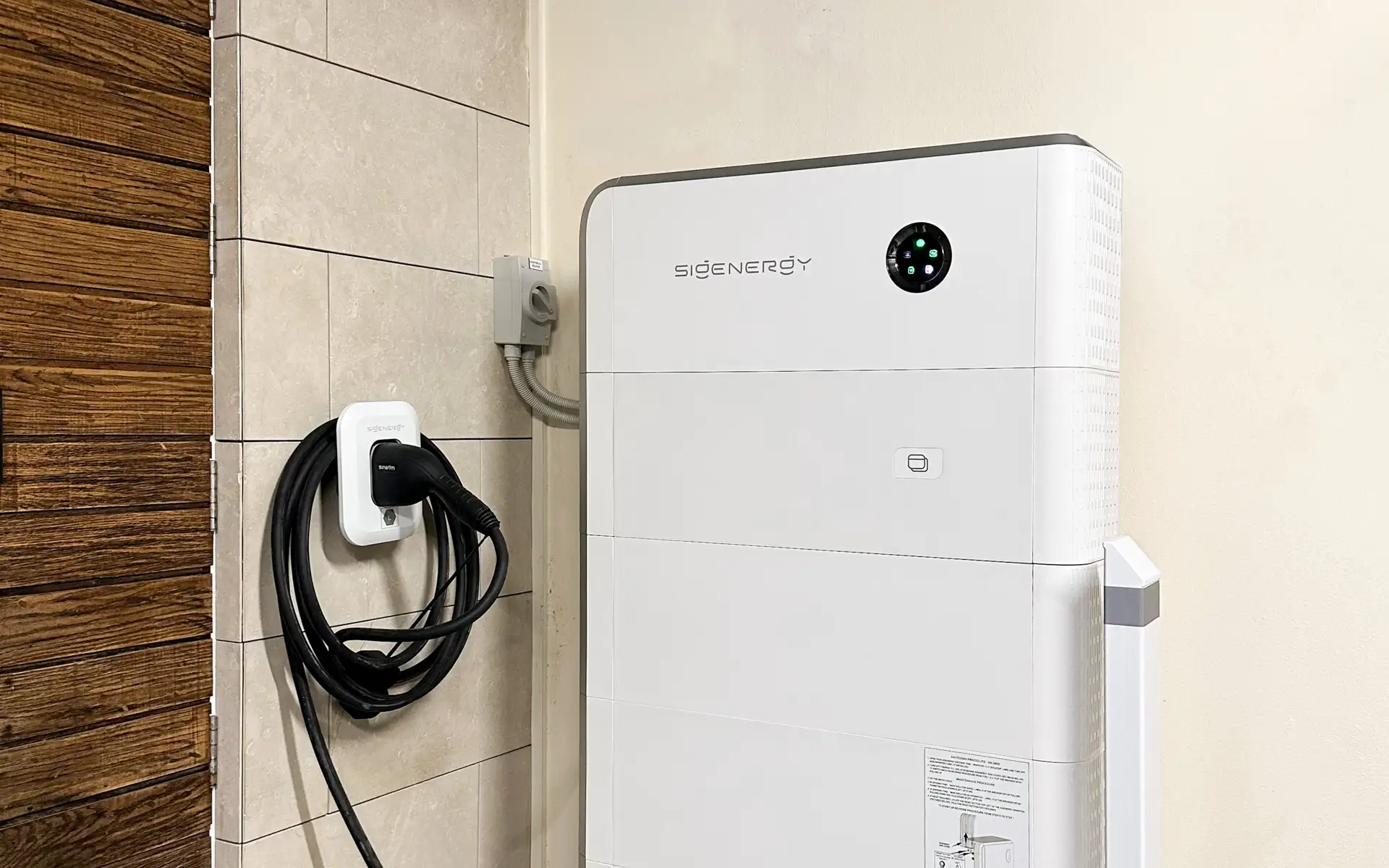
We currently work with the Tesla Powerwall 3 and Sigenergy SigenStor. Both are fully integrated solar and battery systems with built-in inverters. The Tesla Powerwall 3 is a fixed 13.5kWh battery and 11kW inverter, with 13.5kWh battery only expansion units available. Whereas the SigenStor is a modular design, combining “modules” of 8kWh batteries up to a maximum of 48kWh. SigenStor battery configurations can be matched with inverters from 5 to 30kW, optimising designs for each home.

EV Chargers
Both designs also offer EV chargers to complete the home energy ecosystem. Having the same brand EV charger as your home energy system ensures you have seamless access to smart functions like “charge off excess solar” which is more valuable than sending excess solar to the grid (as feed-in tariffs disappear…).
The SigenStor has taken its innovation one step further, offering a DC EV charger with bidirectional charging capability. That means that compatible EVs will be able to power your home or send excess stored energy to the grid.

Pros & Cons
While all-in-one systems like these offer significant advantages, they also come with trade-offs. Here are the key pros and cons:
Pros:
- Improved efficiency through DC-coupling, minimizing energy losses during conversion compared to separate systems.
- Space-saving and sleek aesthetics, occupying less room than multiple standalone units.
- Lower overall costs in many cases, with optimized performance and fewer components to purchase.
- Easier installation and maintenance, as the pre-configured design is plug-and-play – saving time and reducing setup errors.
Cons:
- Limited flexibility for upgrades, as replacing or expanding individual parts can be challenging without affecting the entire system.
- Potential for higher repair costs if a component fails, since the integrated design may require servicing the whole unit.
These all-in-one systems represent a step toward smarter, more resilient home energy, empowering users to reduce reliance on the grid while embracing renewable sources. If you're considering an upgrade, consult a professional installer to see how they fit your setup.