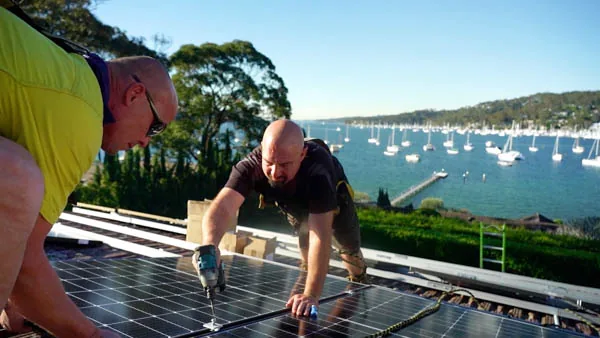
In Australia, there’s lots of sun, and it’s free to harvest, meaning anyone can install photovoltaic (PV) panels and generate their own free electricity.
No permission necessary.
This ease and convenience make solar power very appealing to do-it-yourself (DIY) installers. They can even legally sell their installation services to others if the demand is there.
And in a sunny market like Australia, demand for solar power is definitely there.
But Australia’s lacking of effective solar panel installation policy and regulatory oversight have paved the way for “Solar Cowboys” – i.e. unlicensed installers who don’t follow the industry’s best practices.
Commissioning a Solar Cowboy to install Solar PV panels on your property exposes you to a host of worrying concerns:
- Safety issues emerge whenever unlicensed installers work with high voltage electrical equipment.
- You’re leaving money on the table since amateur PV installations don’t generate as much energy per square metre.
- Unlicensed solar installations don’t qualify for certain incentives – like the Grid’s feed-in tariff.
So in the absence of any government solar panel policy, how do you maximise the benefits of your clean power investment while minimising the above risks?
Here are some tips for navigating Australia’s Wild West energy landscape.
1. Keep It Professional
Only hire licensed solar installers with extensive electrical training and certification. Credentialed contractors know what they’re doing and can reduce the likelihood of injury or property damage both:
- During the installation process itself.
- After your PV system comes online.
Equally important, professional solar installers can legally grid-connect your PV system, allowing you to:
- Receive electricity at night, when your panels stop working.
- Monetise the daytime solar electricity you feed into the Grid.
To review our electrical license, click here.
2. Check for Accreditations
Removing non-licensed installers can help narrow down the list a lot. But this alone isn’t enough.
It’s also a good idea to review each installer’s accreditations and memberships. Doing so can help you quickly weed out fly-by-night operations from more established installers who take clean energy seriously.
For example, Solarbank is a:
- Clean Energy Council Approved Solar Retailer
- Smart Energy Council Member
- Tesla Energy Certified Installer
3. Review Testimonials
The next step involves reviewing testimonials and case studies from actual customers. By learning from their experiences, you’ll have a much better idea of what to expect when working with that installer.
At Solarbank, we proudly publish our testimonials here and our case studies here.
And if you’d like us to connect you with previous customers in your neighbourhood, let us know.
One Final Solar Installer Tip
After whittling down your list, there’s one final step.
You should meet with each potential installer in person. This approach allows you to gauge their style and whether they use high-pressure sales tactics (as many Solar Cowboys do).
At Solarbank, we want you to go solar. But the technology sells itself. And there’s no need to use aggressive sales tactics.
We’re simply facilitators who:
- Outline the numerous benefits of installing solar panels on your roof.
- Inspect your property to analyse its solar potential (free of charge).
- Help you extract the most value from your clean power investment.
That’s it.
Related reading